The Golden Rule of Worm Feeding
Here's the single most important thing to know about feeding composting worms: they don't actually eat the food. They eat the bacteria and fungi that grow on decomposing food. This is why fresh food scraps need a few days in the bin before worms start processing them — the microbes have to colonize the food first.
This changes everything about how you think about feeding. You're not filling a pet's food bowl. You're creating conditions for a thriving microbial ecosystem, with worms as the cleanup crew.
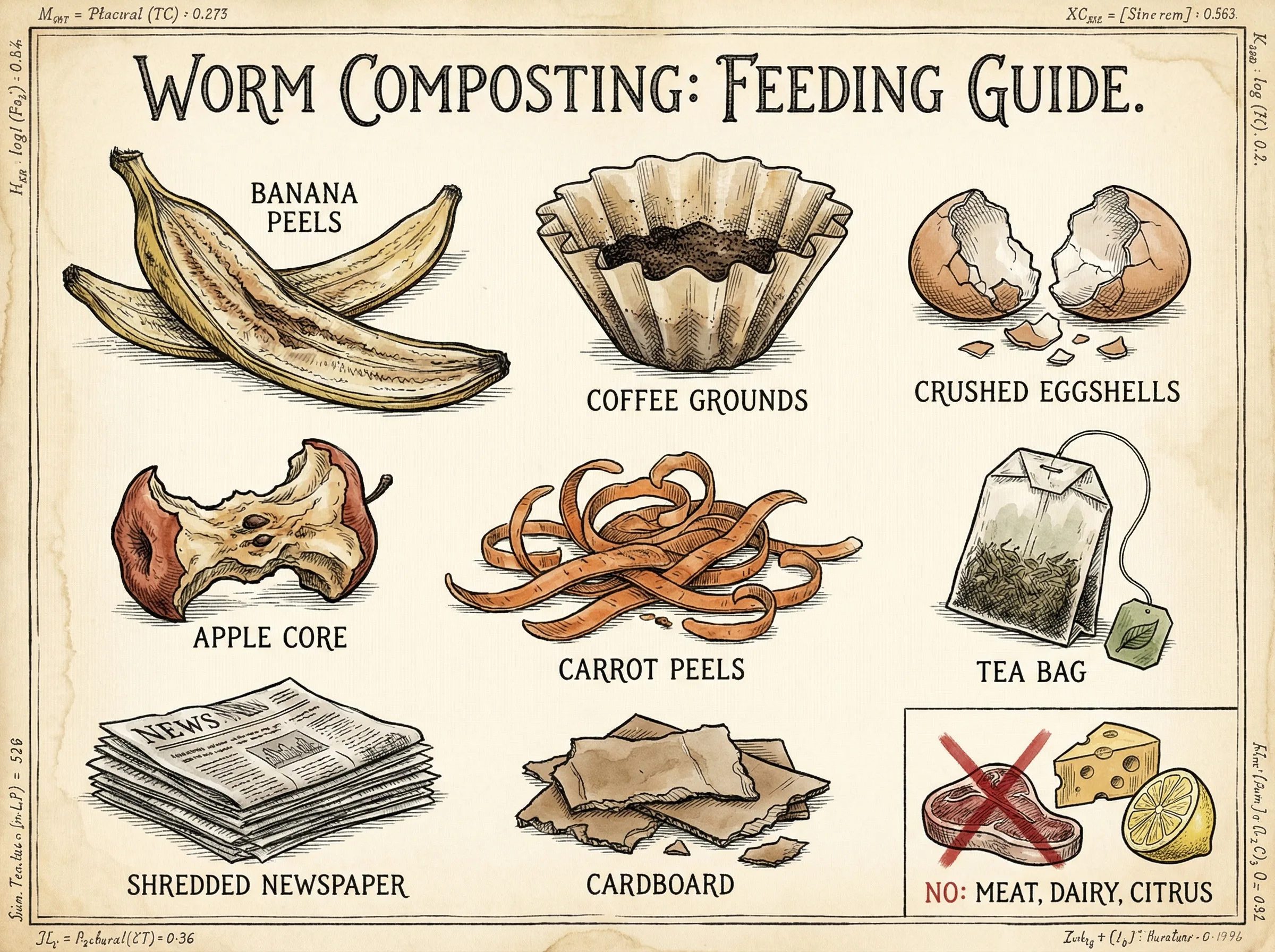
What to Feed Your Worms
The Green Light List
These foods are safe, nutritious, and worm-approved:
Fruits and Vegetables (the staples)
- Banana peels (worm candy — they love these)
- Apple cores and peels
- Melon rinds
- Lettuce and leafy greens
- Carrot tops and peels
- Potato peels (in moderation)
- Berries and berry stems
- Cucumber ends
- Squash and pumpkin innards
- Avocado flesh (not the pit or skin — they take forever to break down)
- Corn cobs (chop small — they're slow to decompose)
Other Kitchen Scraps
- Coffee grounds and paper filters (excellent — slightly acidic and high in nitrogen)
- Tea bags (remove staples; check bags aren't plastic-lined)
- Crushed eggshells (great calcium source, buffers acidity)
- Plain bread and pasta (in small amounts)
- Rice (cooked, in small amounts)
- Oatmeal and cereal
- Stale crackers
Paper and Cardboard (counts as bedding AND food)
- Shredded newspaper (non-glossy)
- Cardboard (torn small, soaked)
- Paper towels and napkins (unbleached preferred)
- Brown paper bags
- Egg cartons (rip into small pieces)
- Coffee sleeves
The Yellow Light List (Use with Caution)
These are okay in small amounts but can cause problems if overdone:
- Citrus (orange peels, lemon, lime) — The acidity and limonene can irritate worms. Use sparingly, and chop small. Max 10% of total food.
- Onion and garlic — Strong odor, slightly toxic to worms in large quantities. A few peels are fine, but don't dump a whole onion in.
- Tomatoes — Acidic. Fine in moderation. Seeds may sprout if the bin is warm.
- Spicy peppers — Capsaicin irritates worms. Very small amounts only.
- Cooked food with oil — Small amounts of plain cooked veggies are fine. Avoid anything greasy or heavily seasoned.
- Bread and grains — Can attract mold (which is fine for the worms but looks alarming) and pests if left exposed. Bury well.
The Red Light List (Never Feed)
These will harm your worms, create bad odors, or attract pests:
- Meat and fish — Attracts rats, flies, and creates terrible odor
- Dairy products — Same problems as meat
- Oils and greasy food — Coats worm skin, suffocating them. Also smells awful
- Pet waste (dog, cat) — Contains harmful pathogens
- Glossy or coated paper — Contains plastics and chemicals
- Treated or painted wood — Toxic chemicals
- Plastic (obviously) — Even "compostable" plastics don't break down in worm bins
- Large amounts of salt — Desiccates worms through osmosis
- Yard clippings treated with pesticides or herbicides — Will kill worms
How Much to Feed
The Worm-to-Food Ratio
Red wigglers can eat roughly half their body weight per day in food. So:
- 1 pound of worms = 1/2 pound of food per day = 3.5 pounds per week
But this is a theoretical maximum. In practice, start with less:
Week 1-2: Feed about 1/4 to 1/2 cup of food, once. Wait until it's mostly gone.
Week 3-4: Increase to 1-2 cups per feeding, twice a week.
Month 2+: You'll have a feel for how fast your worms eat. Adjust accordingly. When you add food, most of the previous feeding should be gone.
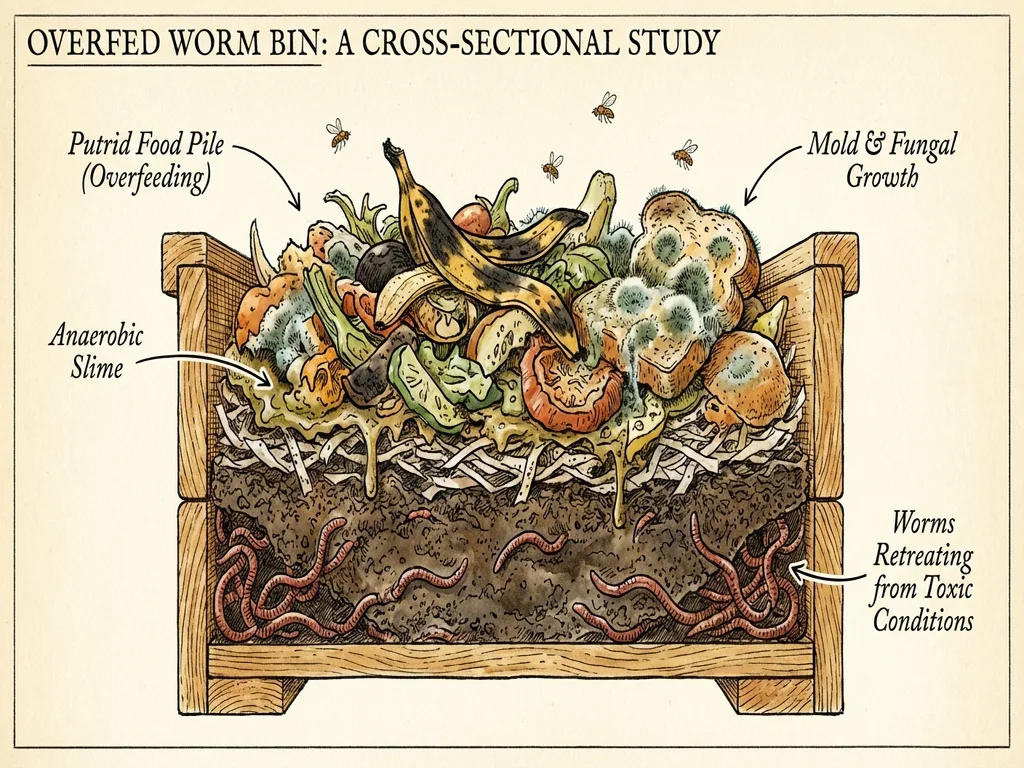
Signs You're Overfeeding
- Uneaten food piling up
- Bad smells (anaerobic decomposition)
- Fruit flies appearing in large numbers
- The bin feels soggy
- Worms clustering at the top or trying to escape
Signs You're Underfeeding
- Worms are visibly smaller
- The bin is mostly just bedding
- Population isn't growing
- Bin looks dry and inactive
How to Feed: Best Practices
Bury, Don't Surface Feed
Always bury food scraps under 2-3 inches of bedding. This:
- Reduces fruit fly problems dramatically
- Prevents odors
- Keeps the food in contact with the moist environment worms prefer
- Discourages mold on the surface
Rotate Feeding Spots
Divide your bin into imaginary quadrants. Feed in a different quadrant each time. This:
- Distributes castings evenly
- Prevents any one area from becoming too wet or acidic
- Encourages worms to move around the entire bin
The "Pocket Feeding" Method
Dig a small pocket in the bedding, add food, cover it back up. Simple, effective, and neat.
Food Prep Tips to Speed Things Up
The smaller the food pieces, the more surface area for microbes, and the faster everything breaks down. Here are some tricks:
Freezing and Thawing
Freeze food scraps before adding them to the bin. When they thaw, the cell walls rupture, creating a mushy texture that worms and microbes can process much faster. This is the single most effective trick for speeding up decomposition.
Workflow: Keep a container in your freezer. Add scraps throughout the week. When it's full, take it out, let it thaw overnight, then feed to worms.
Chopping and Blending
Cut food into small pieces (1/2 inch or smaller). For maximum speed, you can blend scraps into a smoothie. But most people find simple chopping is enough.
Pre-Composting
Let food scraps sit in a sealed container on the counter for a few days before adding to the bin. The food starts decomposing and microbial colonization begins before it even hits the worm bin.
The Carbon-Nitrogen Balance
For a healthy bin, you want roughly a 3:1 ratio of carbon to nitrogen (by volume):
- Carbon ("browns"): Shredded newspaper, cardboard, dry leaves, coconut coir
- Nitrogen ("greens"): Food scraps, coffee grounds, fresh plant material
Every time you add food scraps, add a roughly equal volume of shredded newspaper or cardboard on top. This keeps the moisture balanced, prevents odors, and ensures the worms have plenty of bedding.
Feeding Schedule Templates
The Weekend Warrior
Feed once a week, every Saturday morning. Add a week's worth of frozen/thawed scraps in pockets around the bin. Cover with bedding. Total time: 5 minutes.
The Regular
Feed twice a week (e.g., Wednesday and Sunday). Smaller feedings, more frequent. Keeps the bin active and food supply consistent.
The Daily Feeder
Feed small amounts daily. Best for people who cook a lot and want to minimize scraps sitting around. Only do this if your bin is well-established and worm population is robust.
Seasonal Adjustments
Summer
- Worms eat more when warm (up to their maximum around 77°F)
- Watch for overheating — move the bin to a cooler spot if needed
- Fruit fly season — bury food extra deep and add more bedding on top
- Watermelon and stone fruit are in season — worms love them but they add a lot of moisture. Balance with dry bedding.
Winter
- Worms slow way down below 55°F
- Reduce feeding by 50% or more
- If the bin is outdoors, insulate it with straw bales, blankets, or move it indoors
- Focus on high-carbon foods (paper, cardboard) that won't rot as quickly
Troubleshooting Food Issues
| Problem | Likely Cause | Solution |
|---|---|---|
| Food isn't disappearing | Too much food, or too cold | Reduce feeding, check temperature |
| White mold on food | Normal decomposition | Leave it — worms eat the mold too |
| Fruit flies everywhere | Food exposed on surface | Bury deeper, add more bedding |
| Bin smells bad | Anaerobic conditions (too wet, too much food) | Stop feeding for a week, add dry bedding |
| Worms avoiding food | Too acidic or too spicy | Remove offending food, add eggshells |
Next Steps
- Getting Started with Worm Composting — Full beginner's guide
- Building Your First Worm Bin — Build the perfect home
- Troubleshooting Your Worm Bin — Fix problems fast
Food Sorter Challenge
Test your knowledge — sort each item into the right category:
Food Sorter Challenge
Can you sort these food items correctly? Tap the right bin for each item.
Item 1 of 12
Score: 0
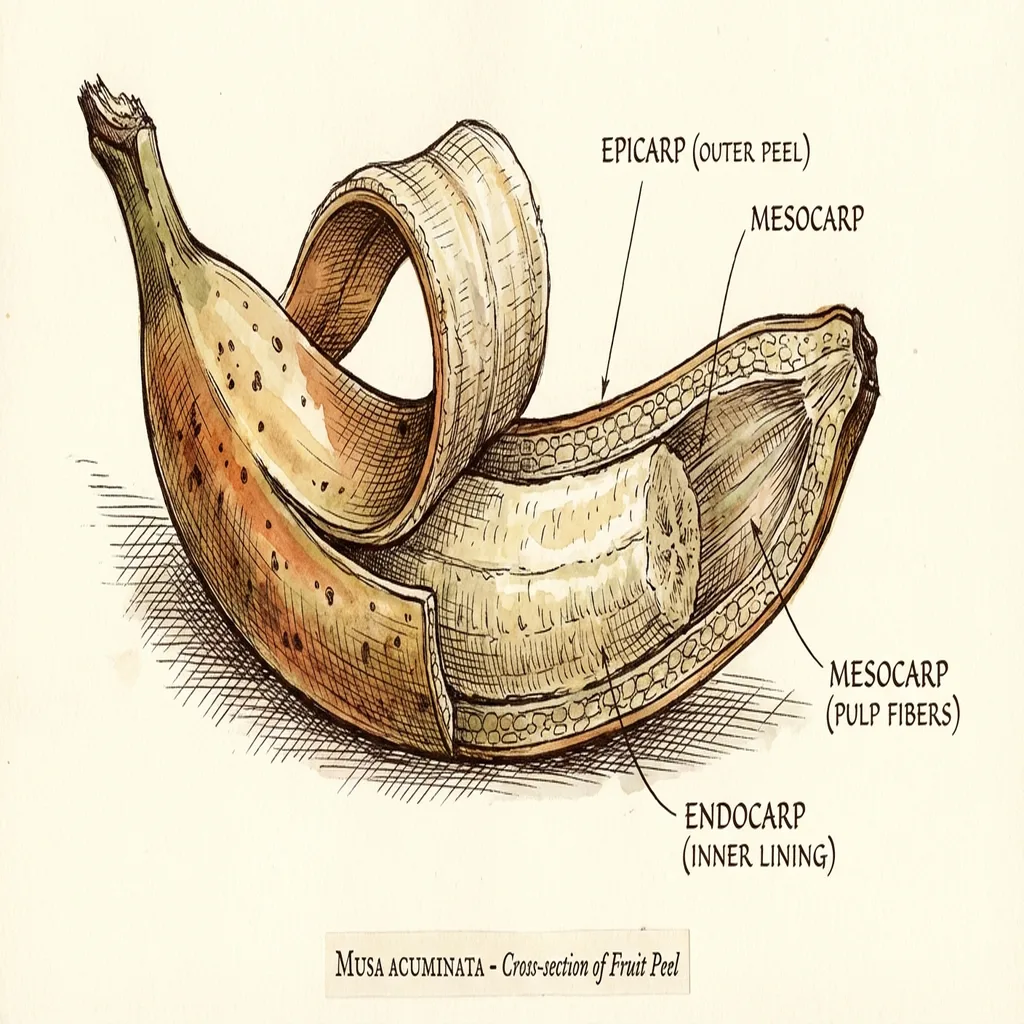
Banana Peel
Feeding Calculator
How much should you feed? Adjust for your worm population:
Feeding Calculator
Adjust the slider to match your worm population weight and see how much to feed.
1lb
Feeding Limits
Daily food limit
0.5 lbs
about 1 cup
Weekly food limit
3.5 lbs
about 7 cups
Based on the rule: worms eat roughly half their body weight per day
Carbon-to-Nitrogen Ratio
Aim for roughly 3:1 bedding-to-food ratio by volume. For every cup of food scraps, add 3 cups of fresh bedding. This keeps your bin balanced, controls odors, and gives worms the carbon they need to process nitrogen-rich food waste.